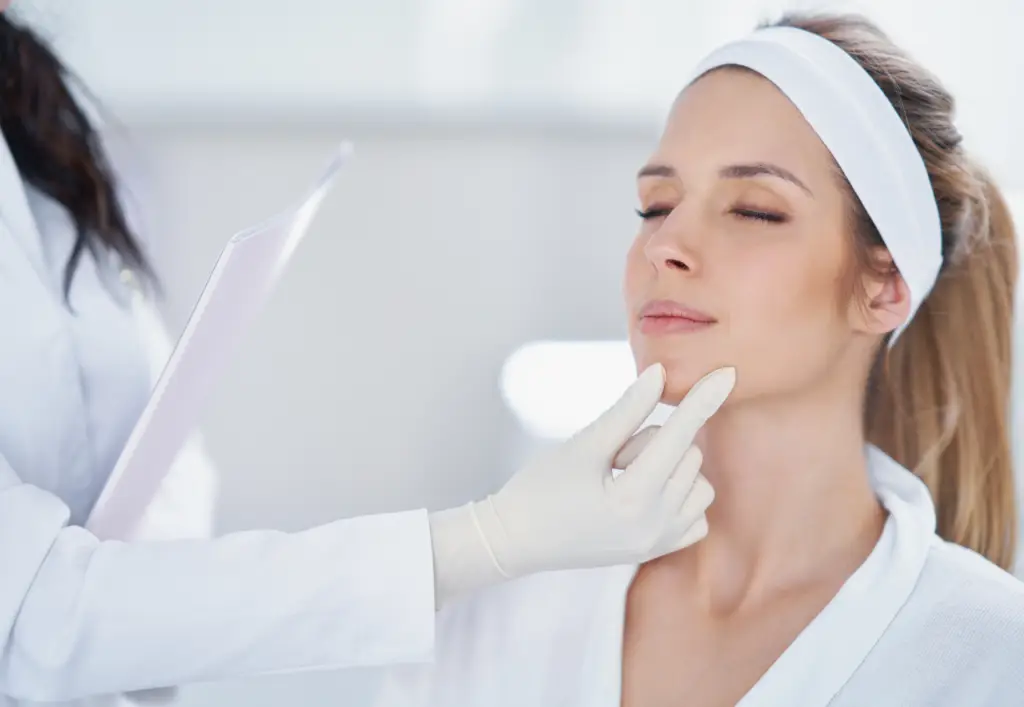
There is something satisfying about the smooth feeling you get after exfoliating your skin. But effective exfoliation does not have to come from a gritty facial scrub. Glycolic acid benefits the skin by exfoliating the surface without relying on physical scrubbing.
Glycolic acid is an alpha hydroxy acid (AHA) that helps loosen and remove dead skin cells from the skin’s surface. It is available in everything from cleansers and leave-on skincare products to professional chemical peels.
Unlike a physical scrub, glycolic acid works through a chemical exfoliation process. The result can be smoother, brighter-looking skin and a more even appearance when the ingredient is used appropriately.
What Is Glycolic Acid?
Glycolic acid is an alpha hydroxy acid commonly used in skincare for exfoliation. Because of its relatively small molecular size, it can penetrate the outer layers of the skin and loosen the bonds between dead skin cells.
The concentration and formulation of glycolic acid affect how strongly it exfoliates. Lower concentrations can be found in everyday skincare products, while professional treatments and chemical peels may use higher concentrations under controlled conditions.
The FDA notes that AHAs such as glycolic acid are used in skincare products to exfoliate the skin and improve the appearance of skin texture, tone, and fine lines.
Learn more about the ingredient in our glycolic acid ingredient spotlight.
What Are the Benefits of Glycolic Acid?
One of the primary glycolic acid benefits is its ability to exfoliate the surface of the skin. Regular, appropriate exfoliation can help improve the appearance of several common skin concerns.
Smoother Skin Texture
Glycolic acid helps remove accumulated dead skin cells from the surface of the skin. This can leave the complexion feeling smoother and looking more refined.
For patients interested in more intensive resurfacing, professional chemical peels can be customized based on the skin’s needs and treatment goals.
Brighter, More Even-Looking Skin
Glycolic acid can help improve the appearance of dullness and uneven skin tone by increasing the shedding of surface skin cells.
AHAs are commonly used in skincare products designed to improve the appearance of skin tone and texture.
Fine Lines and Signs of Aging
Glycolic acid can also be incorporated into an anti-aging skincare routine. By exfoliating the outermost layer of the skin, it can help create a smoother, more polished appearance.
Professional chemical peels can also be used to address concerns such as fine lines, uneven pigmentation, and rough texture.
Glycolic acid should be viewed as one part of a comprehensive skincare routine rather than a standalone solution for wrinkles.
Acne-Prone Skin
Exfoliating acids can be useful for acne-prone skin because they help remove dead skin cells from the surface. Chemical peels are also sometimes used by dermatologists as part of an acne treatment plan.
However, glycolic acid is not appropriate for every type of acne, and stronger formulations can cause irritation. If you are experiencing persistent or inflammatory acne, a dermatologist can help determine which treatments are appropriate.
Who Can Benefit From Glycolic Acid?
Glycolic acid may be useful for people concerned with:
- Dull-looking skin
- Uneven skin texture
- Uneven skin tone
- Surface pigmentation
- Fine lines
- Rough skin
- Certain types of acne
That does not mean glycolic acid is right for every person or every skin type. Sensitive skin, compromised skin, or skin that is already irritated may not tolerate frequent exfoliation well.
The concentration, frequency, and formulation all matter. Starting with a lower-strength product and following the product’s directions can help reduce the risk of irritation.
Glycolic Acid and Sun Protection
One of the most important things to understand about glycolic acid is that AHAs can increase the skin’s sensitivity to ultraviolet radiation.
The FDA recommends sun protection when using topical products containing AHAs, including glycolic acid. This includes using sunscreen, wearing protective clothing, and limiting sun exposure.
This is particularly important in South Florida, where UV exposure remains significant throughout the year.
If glycolic acid is part of your skincare routine, daily broad-spectrum sunscreen should be considered an essential step.
Glycolic Acid at Home vs. Professional Treatments
There is a significant difference between an at-home glycolic acid product and a professional chemical peel.
At-home products are formulated for consumer use and typically provide more gradual exfoliation. Professional chemical peels can use different acids, concentrations, and application techniques to address specific concerns.
Professional peels can improve the appearance of dullness, uneven pigmentation, fine lines, rough texture, and certain types of acne.
At Supriya Aesthetic Dermatology, chemical peels are customized to the patient’s skin and treatment goals.
How to Add Glycolic Acid to Your Skincare Routine
If you are new to glycolic acid, more is not necessarily better.
Start according to the product’s instructions and allow your skin time to adjust. Using several exfoliating products at once can increase the risk of dryness and irritation.
Glycolic acid can be combined with other skincare ingredients, but your entire routine should be considered before adding another active ingredient. If you are already using retinoids, acne medications, or other exfoliating acids, professional guidance may be helpful.
Glycolic Acid Benefits: Is It Right for You?
Glycolic acid can be an effective exfoliating ingredient for improving the appearance of texture, dullness, uneven tone, and fine lines. Its versatility makes it a popular ingredient in both everyday skincare products and professional treatments.
The key is using the right formulation and concentration for your skin rather than assuming that stronger exfoliation will produce better results.
If you are unsure whether glycolic acid is appropriate for your skin or want to explore a professional chemical peel, the team at Supriya Aesthetic Dermatology can help you determine which approach best fits your skin and goals.
Contact our office to schedule a consultation: