Age spots, also called sun spots, liver spots or solar lentigines, are flat areas of increased pigmentation that commonly develop on sun-exposed areas such as the face, hands, arms and shoulders. They are usually benign and are associated with cumulative ultraviolet exposure over time.
If you are wondering how to get rid of age spots, there are several options, ranging from topical skincare to professional treatments. The right approach depends on the location and appearance of the spots, your skin type and how much pigmentation you are looking to address.
Before treating any new or changing brown spot, however, it is important to have it evaluated by a dermatologist. Some skin cancers and precancerous lesions can resemble an age spot, and treating a suspicious spot cosmetically could delay an important diagnosis.
Sunscreen: The First Step in Treating Age Spots
Sun protection is essential whether you are trying to prevent age spots or treating existing pigmentation.
Use a broad-spectrum, water-resistant sunscreen with an SPF of 30 or higher and apply it to exposed skin before going outdoors. Reapply at least every two hours when outdoors and after swimming or sweating. Hats, shade and sun-protective clothing can provide additional protection.
An antioxidant serum, such as one containing vitamin C, can also complement a daily skincare routine. However, antioxidants should be considered an addition to sunscreen, not a replacement for it.
Consistent sun protection is especially important after professional treatment because UV exposure can contribute to recurrence of pigmentation.
Lightening Creams for Age Spots
Topical products can help gradually fade certain types of pigmentation. Ingredients that may be used for solar lentigines include hydroquinone, retinoids, alpha hydroxy acids, vitamin C and other pigment-targeting ingredients.
Hydroquinone works by reducing melanin production and may be recommended in certain cases. Depending on the product and your individual needs, a dermatologist may recommend an over-the-counter or prescription-strength formula.
Topical treatments generally take longer to produce visible results than in-office procedures. They also need to be used consistently and appropriately to minimize irritation.
Chemical Peels
Chemical peels use a controlled chemical solution to exfoliate the skin and can help improve uneven pigmentation and overall skin tone. They are one of the established treatment options for solar lentigines.
At Supriya Aesthetic Dermatology, a Brightening Peel may be incorporated into a treatment plan for patients concerned with sun-related pigmentation and uneven skin tone. The strength and formulation of a peel should be selected based on the patient’s skin, pigmentation and treatment goals.
A series of treatments may be recommended rather than expecting one peel to completely eliminate every spot.
BBL and Other Light Treatments
Light-based treatments can be particularly useful for visible sun spots and uneven pigmentation.
Forever Young BBL is a popular option at Supriya Aesthetic Dermatology for addressing signs of sun damage and pigmentation. BBL uses broadband light to target pigment in the skin, while also treating other visible signs of photodamage.
IPL and BBL are light-based treatments rather than traditional lasers. Other laser treatments, including pigment-targeting and fractional resurfacing lasers, may also be appropriate depending on the type and extent of sun damage.
The appropriate treatment depends on your skin type, pigmentation and overall goals. Patients with darker skin tones may have a higher risk of pigment changes after certain laser and light treatments, making an individualized evaluation particularly important.
Fraxel and Laser Treatments
Certain lasers can improve age spots and other signs of photodamage by targeting pigment or resurfacing the skin.
Fractional laser treatments such as Fraxel can be considered when pigmentation is accompanied by other concerns, including uneven texture, fine lines or broader signs of sun damage. Other pigment-specific lasers may be used when individual age spots are the primary concern.
Because laser and light treatments can sometimes cause temporary or permanent changes in pigmentation, the treatment should be selected and performed by an experienced medical professional.
Cryotherapy
Cryotherapy uses liquid nitrogen to freeze an individual age spot. It is a well-established treatment for solar lentigines and can be useful when there are isolated lesions that are appropriate for freezing.
Cryotherapy is quick, but it can cause temporary redness, swelling, blistering or discomfort. In some cases, changes in pigmentation or scarring can occur, so it is important that the lesion is properly diagnosed before treatment.
Which Age Spot Treatment Is Right for You?
There is no single treatment that is right for every age spot. Topical products can gradually improve pigmentation, while procedures such as chemical peels, BBL, laser treatments and cryotherapy can produce more noticeable changes in appropriate candidates. Procedures generally work faster than creams and lotions but can also carry a greater risk of side effects.
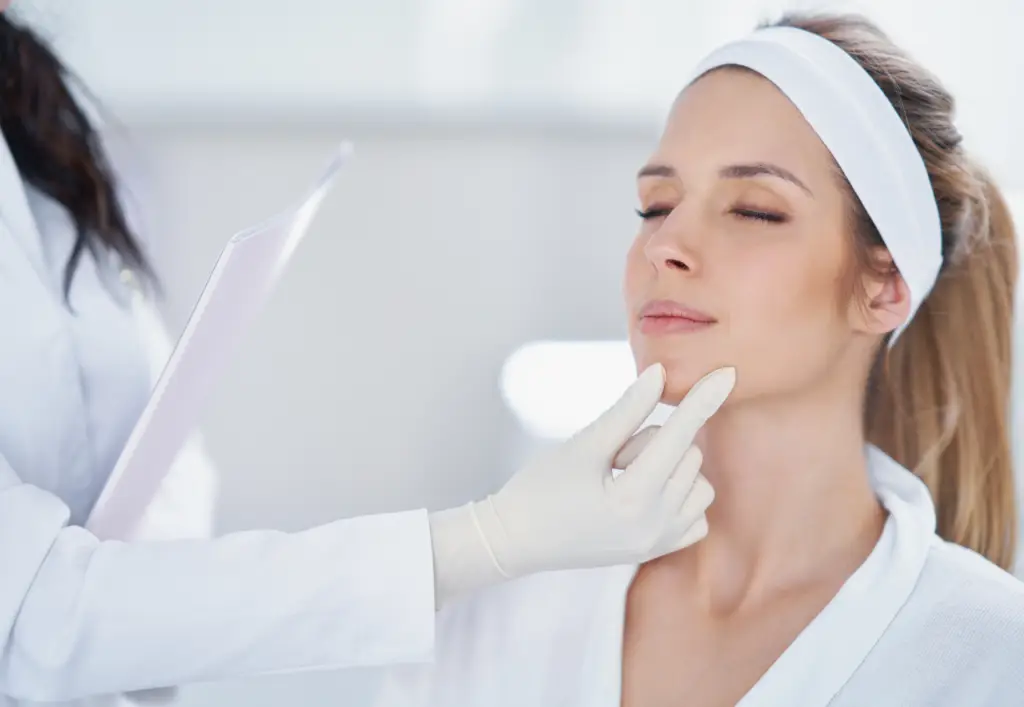
A dermatologist can evaluate your skin, determine whether the spots are actually solar lentigines and create a treatment plan based on your skin type and goals.
Preventing Age Spots From Coming Back
Treating existing pigmentation is only part of the process. Continued sun exposure can contribute to new age spots and recurrence of pigmentation.
Make broad-spectrum SPF 30 or higher part of your daily routine and supplement sunscreen with shade, hats and sun-protective clothing when spending time outdoors.
With the right combination of professional treatment, skincare and consistent sun protection, the appearance of sun-damaged skin can be significantly improved.
Treating Age Spots at Supriya Aesthetic Dermatology
If you are frustrated by brown spots that have not responded to your home skincare routine, a personalized dermatology consultation can help determine which treatment is appropriate for your skin.
At Supriya Aesthetic Dermatology, treatment options may include brightening peels, BBL and other laser and light-based treatments depending on the appearance of the pigmentation and your individual skin.
To schedule a consultation, call 561-805-9399.