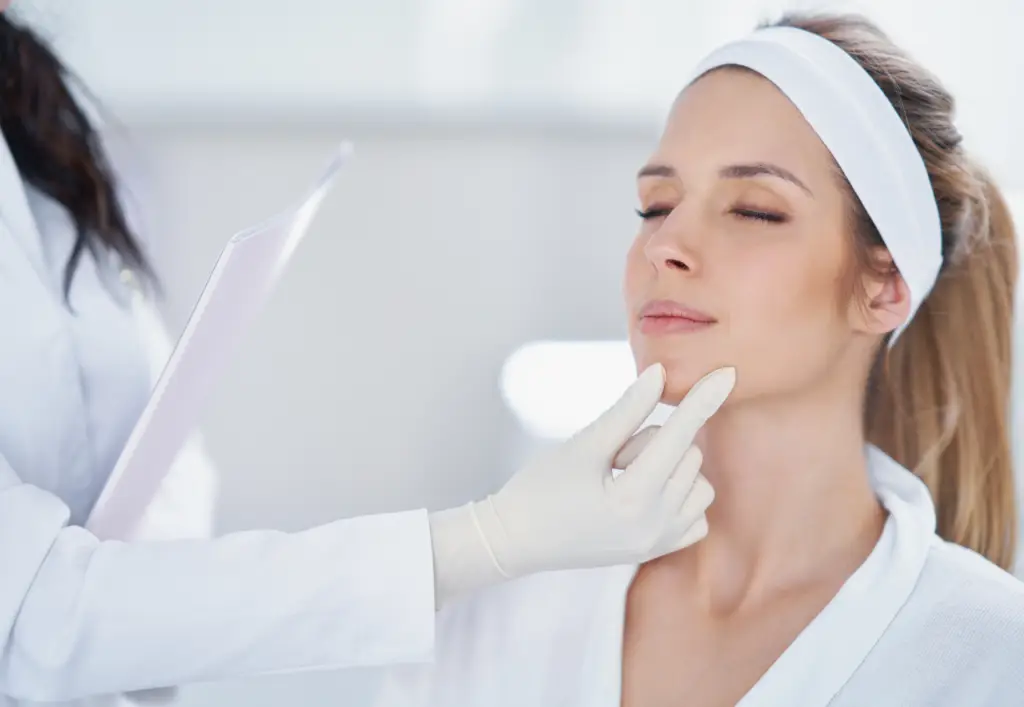
You may have heard of the lactic acid that is naturally produced by your body during certain types of physical activity, but lactic acid for skin is used for a very different reason. In skincare, lactic acid is an alpha hydroxy acid (AHA) that helps exfoliate the skin, improve texture, and brighten the appearance of uneven skin tone.
Lactic acid works by loosening the bonds between dead skin cells on the surface of the skin, allowing them to shed more easily. It can be found in skincare products and professional chemical peels, and because it tends to be gentler than some other AHAs, it can be a useful option for people who want chemical exfoliation without immediately reaching for a more aggressive treatment.
What does lactic acid do for your skin?
One of the primary benefits of lactic acid for skin is exfoliation. By helping remove accumulated dead skin cells, lactic acid can leave the skin looking smoother, brighter, and more even.
As an AHA, lactic acid may also help improve the appearance of fine lines, uneven pigmentation, and rough texture over time. The AAD lists lactic acid and other AHAs among chemical exfoliants that can improve skin texture, while also noting that the appropriate strength and frequency depend on your skin type.
Lactic acid is also a humectant, meaning it can help the skin attract and retain moisture. This makes it somewhat different from stronger exfoliating ingredients that may leave some people feeling particularly dry or tight.
If uneven pigmentation is one of your concerns, exfoliation may be one part of a larger treatment plan. Dark spots can have many different causes, and irritating the skin can actually make hyperpigmentation worse, particularly in people who are prone to developing dark marks after inflammation.
Can lactic acid help with acne?
Lactic acid can help exfoliate the surface of the skin and improve the appearance of rough texture, which may be useful for some people with acne-prone skin. However, it should not be thought of as a standalone acne treatment.
If you are dealing with active acne, the right treatment depends on the type and severity of your breakouts. Ingredients such as salicylic acid, benzoyl peroxide, retinoids, and other prescription treatments may be more appropriate depending on your individual needs.
Lactic acid may also be helpful for improving the appearance of some discoloration left behind after acne has healed. However, true acne scars, particularly indented or raised scars, require a different approach.
Is lactic acid gentle enough for everyone?
Lactic acid is often considered one of the more tolerable AHAs, but that does not mean it is appropriate for every person or every skin type.
If you have sensitive skin, rosacea, an impaired skin barrier, or a history of irritation from exfoliating products, lactic acid may cause stinging, redness, dryness, or irritation. The AAD specifically lists lactic acid among ingredients that can irritate some people with rosacea.
Your skin tone also matters when determining how aggressively to exfoliate. People with darker skin tones can be more prone to post-inflammatory hyperpigmentation after skin irritation or injury. The AAD recommends avoiding overly aggressive exfoliation if you are prone to developing dark spots.
That does not mean people with darker skin cannot use lactic acid. It means the concentration, frequency, and type of treatment should be selected carefully.
Lactic acid in chemical peels
Lactic acid can be incorporated into professional chemical peels designed to improve skin texture, pigmentation, and overall brightness. At Supriya Aesthetic Dermatology, lactic acid is used in several of our peel treatments, including the Jessner Peel, Eye & Lip Peel, and Hand Peel.
Chemical peels work by applying a chemical solution to the skin to remove damaged surface cells. The depth and intensity of a peel depend on the ingredients, concentration, application technique, and individual skin characteristics. Superficial peels generally involve less downtime than deeper peels, but even a superficial peel can cause temporary redness, dryness, or peeling.
Not every peel is appropriate for every skin type. Your provider should consider your skin tone, sensitivity, history of pigmentation, current skincare products, medications, and the condition being treated before selecting a peel.
You can also learn more about our chemical peels in West Palm Beach and how they can fit into a personalized skincare plan.
What should you use with lactic acid?
If you are using lactic acid at home, don’t assume that increasing the number of exfoliating products will give you faster results. Over-exfoliation can leave the skin irritated and can make certain concerns worse.
Be particularly careful about combining lactic acid with other potentially irritating ingredients such as retinoids, benzoyl peroxide, or additional exfoliating acids. Whether these ingredients can be used together depends on your skin and the specific products involved.
Moisturizer is also important after exfoliation. And because AHAs can increase skin sensitivity, daily sun protection should remain a central part of your routine.
If you are unsure how to combine your products, our skincare products can be selected as part of a more personalized routine rather than simply layering multiple active ingredients.
Recommended products and treatments with lactic acid
If you’re interested in lactic acid for skin, there are several ways to incorporate it into a skincare routine or professional treatment plan.
At-home products can provide lower-level, ongoing exfoliation, while professional chemical peels can deliver a more controlled and concentrated treatment. The right option depends on whether your primary concern is dullness, uneven texture, pigmentation, acne, or signs of aging.
The goal is not necessarily to use the strongest peel or the highest concentration. A treatment that your skin tolerates well and that can be used consistently is often more useful than an overly aggressive approach.
Here’s what we recommend…
Lactic acid can be a valuable skincare ingredient when it is used appropriately. It can help remove dead skin cells, improve the appearance of uneven texture and tone, and leave the skin looking smoother and brighter.
But the fact that lactic acid is considered a relatively gentle AHA does not mean that everyone should use it in the same way. Your skin type, sensitivity, pigmentation concerns, current products, and treatment history should all be considered.
If you want to learn more about lactic acid for skin or find out whether a lactic acid product or chemical peel is appropriate for you, schedule a consultation with Supriya Aesthetic Dermatology. We see patients at our West Palm Beach office and Jupiter office. You can also call 561-805-9399 or email info@okgppwvm.elementor.cloud.