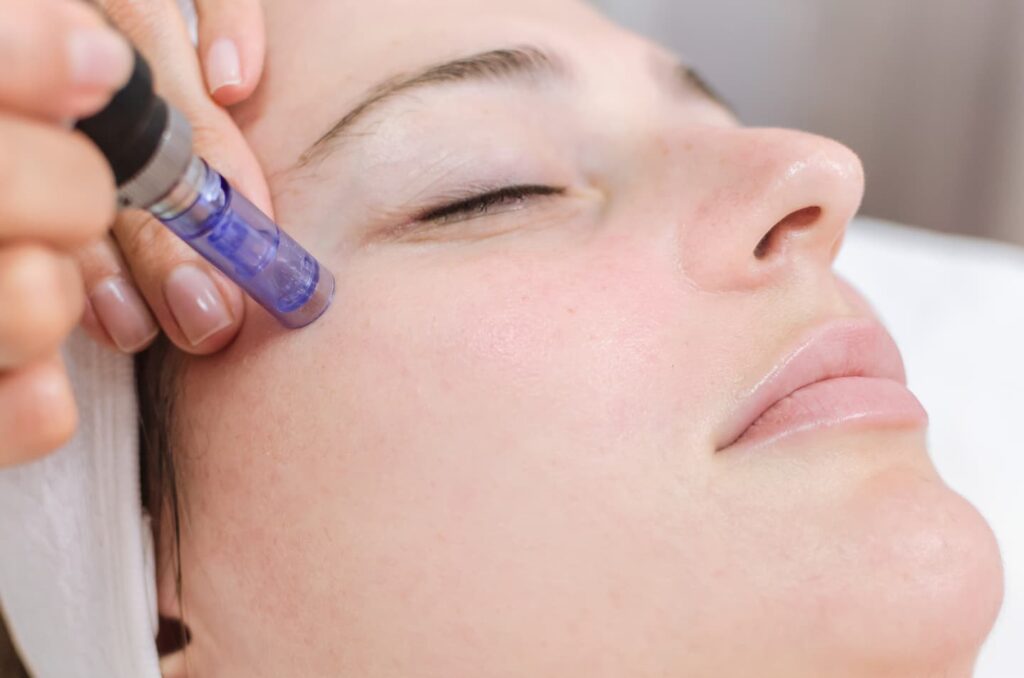
Retinol is one of the most well-known ingredients in skincare, but it is also one of the most misunderstood. From irritation and sensitivity to questions about using it around the eyes, there are plenty of retinol myths that can make people hesitant to add it to their routine.
Retinol is a form of vitamin A that can help improve the appearance of fine lines, wrinkles, uneven skin tone, and texture. Research has also shown that topical retinoids can support collagen production and improve the structure and appearance of photoaged skin over time.
So, if you’ve been avoiding retinol because of something you’ve heard, it may be time to separate fact from fiction.
Myth: If retinol causes irritation, you should stop using it.
Mild redness, dryness, peeling, or irritation can occur when you first introduce retinol to your skincare routine. This is sometimes referred to as retinization, and it can improve as your skin becomes accustomed to the ingredient.
That doesn’t mean you should simply push through significant irritation, though. If your skin is uncomfortable, scale back your routine rather than increasing your use. You may be able to start with retinol just a few nights per week and gradually increase frequency as your skin tolerates it.
Applying a moisturizer before or after retinol can also help reduce dryness and improve comfort. If you experience significant burning, swelling, blistering, or persistent irritation, stop using the product and speak with your dermatologist.
The goal isn’t to see how much retinol your skin can tolerate. The goal is to find a routine you can use consistently.
Myth: Once your skin adapts to retinol, it stops working.
Your skin can become more accustomed to retinol over time, meaning you may experience less irritation with continued use. That does not mean the ingredient has stopped providing benefits.
Retinoids work through several processes within the skin, including supporting cell turnover and collagen production. Studies have shown continued improvements in the appearance of photoaged skin with ongoing retinoid use.
You also don’t necessarily need to keep increasing the strength or frequency of your retinol. A concentration and schedule that your skin tolerates well can be an effective long-term routine.
If your skin has adjusted and you’re looking for additional results, your dermatologist can determine whether changing the formulation, concentration, or frequency makes sense for you.
Myth: You can’t use retinol around your eyes.
Retinol can be used around the eyes, but the delicate skin in this area requires a little more care.
The skin around the eyes is thinner and can be more sensitive to active ingredients, so a product specifically formulated for the eye area may be a better option than applying your regular facial retinol directly around the eyes.
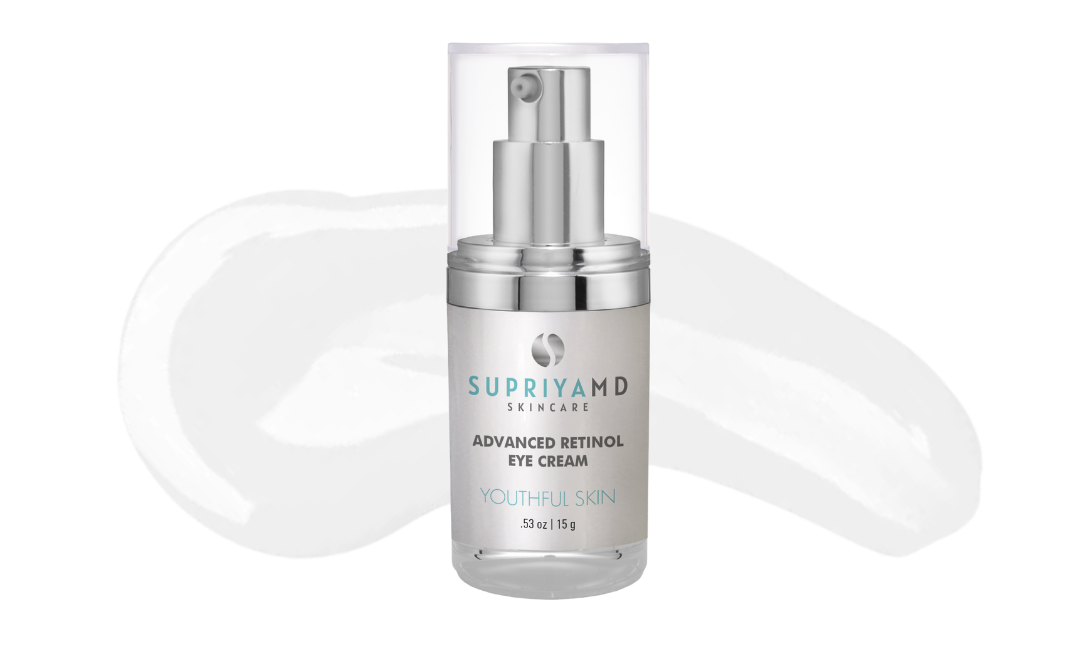
Our Advanced Retinol Eye Cream is formulated specifically for the delicate eye area. Retinoids can support collagen production and may help improve the appearance of fine lines and other signs of photoaging over time.
If you’re using retinol around your eyes, avoid applying it directly to the eyelids or too close to the eyes, and follow the directions for your specific product.
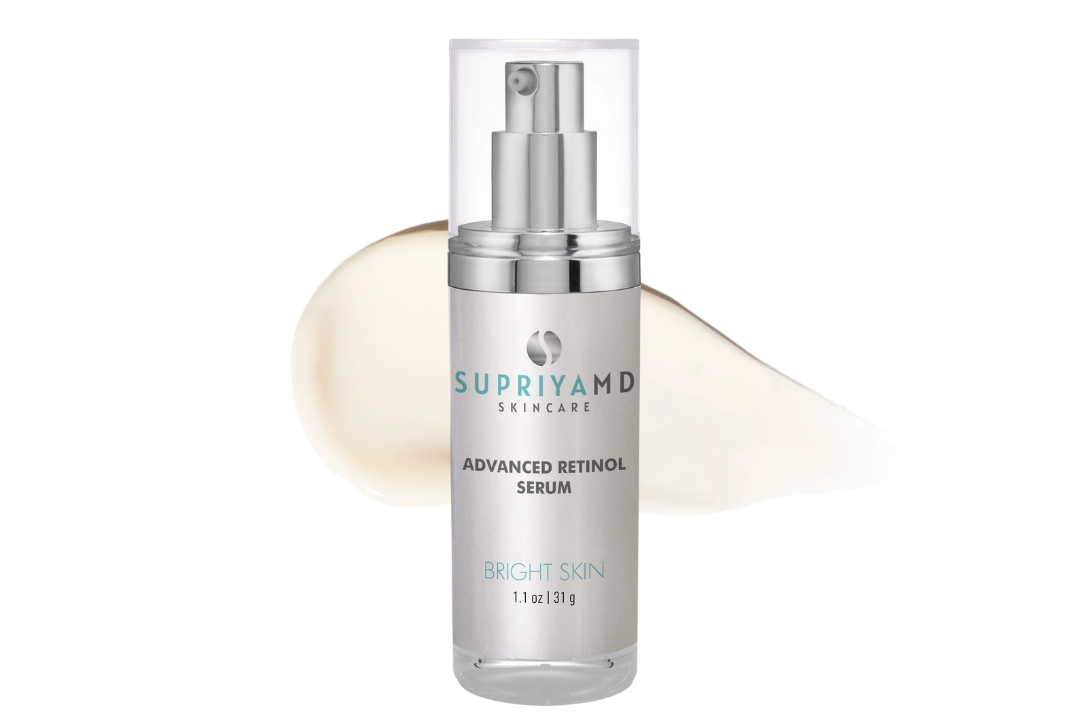
For the rest of your face, you can explore our Advanced Retinol Serum.
Advanced Retinol Eye Cream Before & After:
[Insert before-and-after image here]
Myth: A gentle, lower-strength retinol is just as effective as a stronger retinoid.
Not necessarily. But stronger doesn’t automatically mean better, either.
Retinoids and retinol products vary in concentration, formulation, stability, and tolerability. Higher concentrations may provide a stronger effect, but they can also cause more irritation. Research has shown that retinoid-related irritation can increase with concentration, making tolerability an important part of choosing a product.
For someone with sensitive skin, starting with a lower-strength product may make it easier to use retinol consistently. And consistency matters. A product that your skin tolerates well and that you can use regularly may be more useful than a stronger formula that leaves you too irritated to continue.
Your dermatologist or skincare provider can help determine which retinoid or retinol formulation is appropriate for your skin.
Myth: Retinol makes your skin more sensitive to sunlight.
This one needs some clarification.
Retinol is generally recommended for nighttime use, but the idea that retinol simply makes your skin more vulnerable to sunburn is an oversimplification. Retinoids can cause irritation and dryness, particularly when you first begin using them, and irritated skin can be more uncomfortable when exposed to the sun.
There is another practical reason to use retinol at night: some retinoid products are sensitive to light and can become less stable when exposed to sunlight. Using your retinol at night also makes it easier to keep your morning routine focused on antioxidant protection and broad-spectrum sunscreen.
Most importantly, using retinol does not replace the need for daily sun protection. UV exposure is one of the primary causes of photoaging, contributing to wrinkles, pigmentation changes, and loss of skin elasticity.
Use a broad-spectrum sunscreen every morning and reapply when appropriate, especially when spending time outdoors.
The Bottom Line on Retinol Myths
Retinol has earned its reputation as a powerful skincare ingredient, but it doesn’t need to be intimidating. The key is choosing an appropriate product, introducing it gradually, and building a routine that your skin can tolerate consistently.
If you’re curious about retinol or aren’t sure which product is right for your skin, the team at Supriya Dermatology can help you create a skincare routine based on your individual needs and goals.
Curious about our retinols and other skincare products? Contact us at info@okgppwvm.elementor.cloud or call 561-805-9399 to schedule a skincare consultation.
SHOP THIS ARTICLE:
|
Advanced Retinol Serum {{cta(‘36757ad6-b878-4782-996b-76a06b830ff0’)}} |
Advanced Retinol Eye Cream |
 {{cta(‘f37e1bac-97f0-4f2d-b0ee-81b67c20c603’)}}