Your 60s are a unique time for your skin. Even if you have been diligent about sunscreen and have maintained a consistent skincare routine, this is often when changes in skin thickness, collagen, elasticity, pigmentation, and hydration become more noticeable.
If you have been consistent with preventative treatments and skincare throughout your 40s and 50s, you may already have a strong foundation. But even the most dedicated sunscreen users can begin to notice changes as the skin naturally becomes thinner and drier with age. The American Academy of Dermatology notes that skin in your 60s and 70s can become thinner, drier, more easily irritated and slower to heal.
The right skin treatments in your 60s depend on your skin, health, concerns, previous treatments, and goals. Here are some of the treatments our providers may recommend as part of a personalized plan.
PRP for Hair Loss
Hair thinning is a common concern as we age, particularly around menopause and later in life. But hair loss is not something you simply have to accept without investigating the cause.
Platelet-rich plasma, or PRP, is one treatment that may be considered for certain types of hair loss. PRP uses a patient’s own blood. A small amount is drawn, processed to concentrate platelets, and then injected into areas of the scalp being treated.
PRP is not appropriate for every type of hair loss, and results vary from person to person. A dermatologist should first determine what is causing the thinning before recommending a treatment plan.
Treatment typically involves a series of sessions rather than a single injection, followed by maintenance treatments when appropriate. Temporary soreness, swelling, or bruising can occur after treatment.
If you would like to see examples of hair restoration results, you can view our hair loss treatment before-and-after gallery.
Genius RF
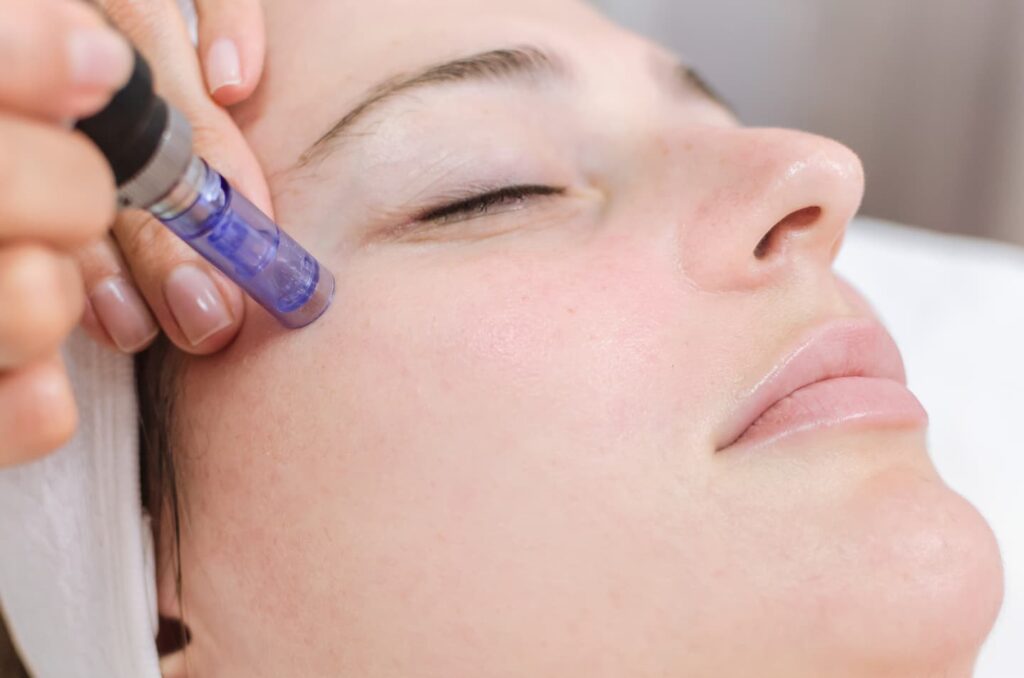
As skin becomes thinner and loses collagen, concerns such as fine lines, uneven texture, and loss of firmness can become more noticeable. Genius RF combines microneedling with radiofrequency energy to stimulate collagen remodeling at controlled depths within the skin.
One of the distinguishing features of Genius RF is its ability to deliver radiofrequency energy at customized depths and monitor the electrical resistance of the tissue during treatment. This allows the provider to adjust energy delivery based on the individual treatment area.
For patients in their 60s, Genius RF may be considered when the goal is to improve skin firmness, texture, and the appearance of fine lines without moving directly to a more aggressive resurfacing treatment.
The number of treatments needed depends on the condition of the skin and the patient’s goals. Collagen remodeling is gradual, so results develop over time rather than appearing immediately after one treatment.
Sculptra
Changes in facial volume are another common concern as we age. The cheeks can appear flatter or more hollow, and the face may gradually lose some of the fullness associated with younger skin.
Sculptra is different from a traditional hyaluronic acid filler because its primary mechanism is stimulating collagen production rather than simply providing immediate volume. It contains poly-L-lactic acid and is injected into specific areas of the face.
The FDA has approved Sculptra for correction of fine lines and wrinkles in the cheek region in appropriately selected adults, as well as certain other facial wrinkles and contour deficiencies. Results develop gradually, and treatment may involve multiple injections.
That gradual improvement is one reason some patients prefer Sculptra when they want a more subtle approach to restoring facial volume. It is not intended to address every type of facial aging, however, and the best filler or collagen-stimulating treatment depends on where volume has been lost and what you want to accomplish.
CO2 Laser
If your primary concerns are significant sun damage, wrinkles, uneven texture, or more advanced signs of skin aging, CO2 laser resurfacing may be considered.
CO2 is an ablative laser treatment that removes controlled layers of damaged skin while stimulating a wound-healing response that can lead to collagen remodeling. It is more intensive than treatments such as Fraxel or Clear + Brilliant, which generally involve less downtime.
Laser resurfacing can be effective for improving wrinkles, fine lines, uneven pigmentation, and skin texture, but the tradeoff is greater downtime and a higher potential for side effects than with more conservative treatments. The American Academy of Dermatology notes that laser resurfacing can provide significant skin tightening and wrinkle improvement, but requires a period of healing and carries risks such as scarring.
The skin around the eyes can also show significant signs of aging because it becomes thinner and loses elasticity over time. Whether laser resurfacing is appropriate around the eyes depends on the individual patient, the degree of skin laxity, and the specific laser and treatment settings.
Skin Cancer Screenings
This one may not be cosmetic, but it is arguably one of the most important parts of caring for your skin in your 60s.
Years of cumulative sun exposure can increase the risk of skin cancer, and that risk continues to rise with age. The American Academy of Dermatology recommends paying attention to spots that are new or changing, as well as lesions that itch or bleed.
Regular skin examinations can help identify suspicious spots that may otherwise be mistaken for age spots or other normal changes associated with aging. This is particularly important before treating pigmentation with cosmetic procedures. A dermatologist should evaluate a suspicious or changing spot before cosmetic treatment is performed on it.
Daily sun protection remains important in your 60s as well. The AAD recommends broad-spectrum, water-resistant SPF 30 or higher, along with other forms of sun protection such as protective clothing and shade.
If you are interested in cosmetic treatments, your overall health and medications should also be considered. Age alone does not determine whether someone is a candidate for a cosmetic procedure. The AAD notes that a person’s overall health, medications, skin condition, and treatment goals are important factors when determining whether a procedure is appropriate.
Choosing the right skin treatments in your 60s
There is no single treatment that works for every person in their 60s. Some patients may benefit from improving skin texture with laser or radiofrequency treatments, while others may be more concerned with facial volume, hair thinning, pigmentation, or changes associated with menopause.
The goal should not be to make your skin look like it did decades ago. Instead, a thoughtful treatment plan can address the changes that bother you most while preserving your natural features.
If you want to learn more about which skin treatments in your 60s may be appropriate for your skin, schedule a consultation with Supriya Aesthetic Dermatology. We see patients at our West Palm Beach office and Jupiter office. Call 561-805-9399 or email info@okgppwvm.elementor.cloud to learn more.